In September 2025, with the surge in demand for artificial intelligence large model training computing power, the application of organic silicon materials in the liquid cooling field of data centers will rapidly become popular. Data shows that in the first half of 2025, the market share of silicon-based coolant in liquid cooling systems will reach 38%, an increase of 25 percentage points from 2022, becoming a key technology to ensure the stability of high-density computing.
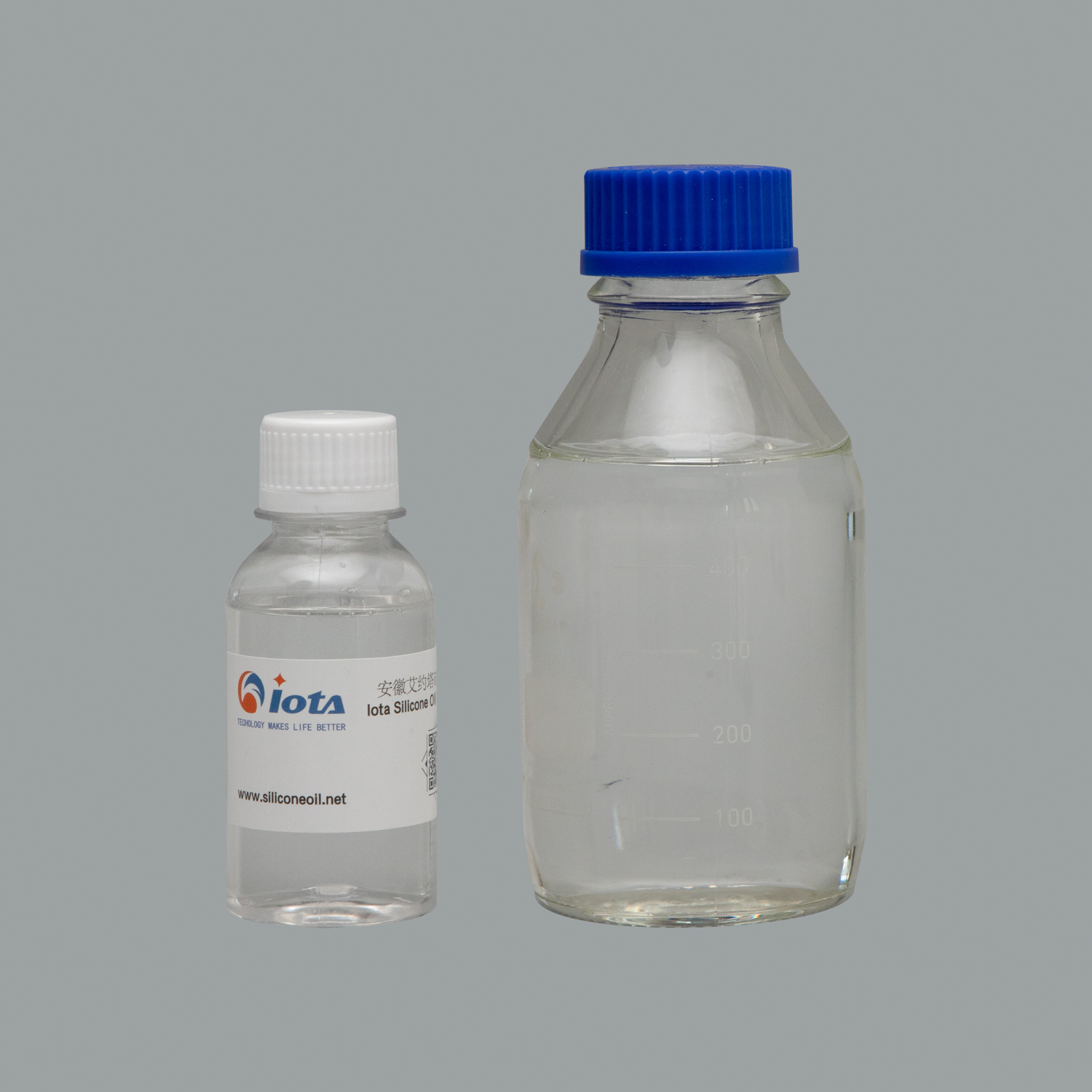
Silicon based coolant solves heat dissipation problems
Traditional air cooling technology can no longer meet the power consumption requirements of AI servers. In 2025, a certain enterprise developed a "fluorosilicon copolymer coolant" with a boiling point of 180 ℃, which is 60 ℃ higher than single-phase liquid cooling media. It can support server power density increase to 50kW/cabinet. This product has been applied to a cloud computing center, reducing PUE (Power Usage Efficiency) from 1.6 to 1.1 and saving over 20 million kWh annually.
Commercial acceleration of immersion liquid cooling technology
Silicon based materials are driving immersion liquid cooling from the laboratory to commercial use. In 2025, a certain enterprise developed "low viscosity silicone oil" with a kinematic viscosity of only 10cSt, which is 80% lower than traditional mineral oil and can reduce pumping energy consumption by 30%. This product has been used in a certain intelligent computing center to ensure stable operation of a 100000 card GPU cluster with a temperature controlled below 65 ℃ and a 60% reduction in failure rate.
Improving material compatibility and expanding application scope
To address the compatibility issues between silicone oil and metals/plastics, companies use surface modification technology to improve material adaptability. In 2025, a certain enterprise launched a "corrosion-resistant silicone oil" that can form a protective film on the surface of metals such as copper and aluminum by introducing amino functional groups to prevent corrosion. This product has been applied to a supercomputer center, extending the server lifespan from 5 years to 8 years.
Green transformation reduces environmental impact
The environmental performance of silicon-based coolant has attracted attention. In 2025, a company developed "bio based silicone oil" using vegetable oil as raw material, with a biodegradation rate of 90%, which meets the requirements of the EU ELV directive. Another company has developed a "silicone oil recovery device" that can increase the recovery rate of silicone oil in waste liquid to 95%, and reduce hazardous waste emissions by 200 tons per year with a single set of equipment.
Wide market prospects
With the explosive demand for AI computing power, the liquid cooling market will maintain high-speed growth. Industry predictions suggest that by 2027, the global data center liquid cooling market will reach 80 billion yuan, with silicon-based cooling fluids accounting for over 50%. The enterprise is accelerating its layout. A certain enterprise plans to invest 1 billion yuan to build a silicon-based coolant production base, which is expected to be put into operation in 2026 with an annual production capacity of 100000 tons.